Through the use of recyclable materials,
energy-efficient production, and waste reduction initiatives, we strive to minimize our environmental footprint.
WE ARE
COMMITTED
TO ECO FRIENDLY
PACKAGING
SOLUTIONS
SUSTAINABILITY
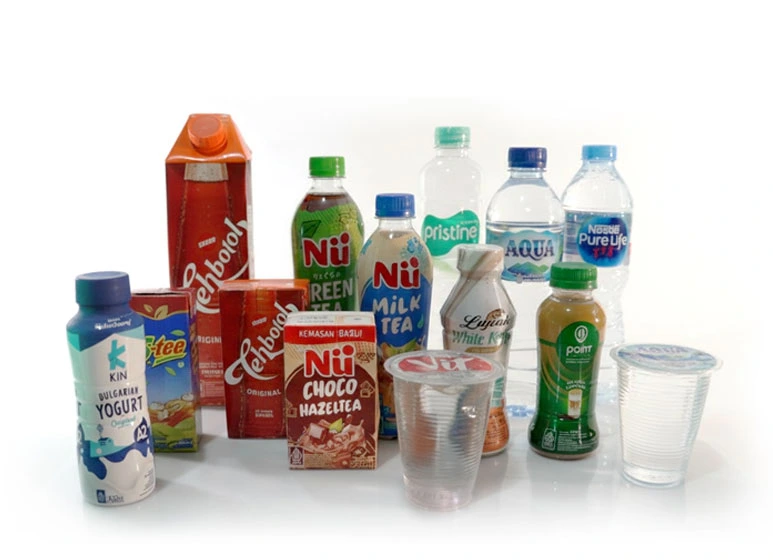
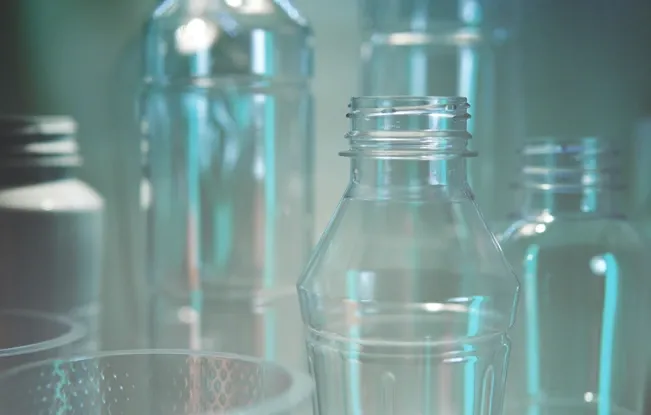
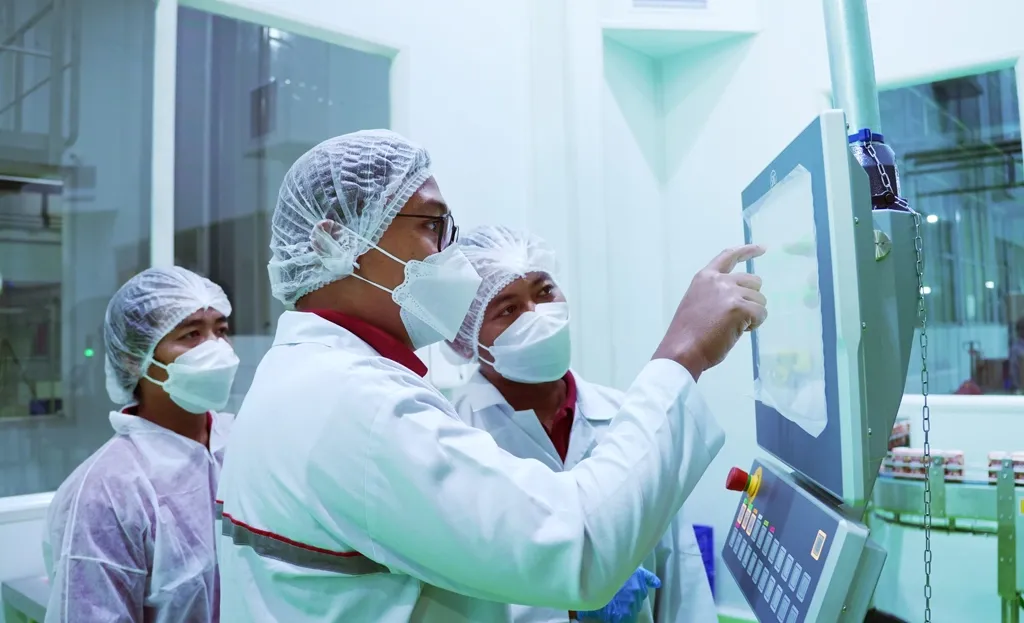
At Uniplastindo Interbuana, sustainability is at the core of our operations. We are committed to eco-friendly packaging solutions that reduce environmental impact while maintaining quality and functionality. Through the use of recyclable materials, energy-efficient production, and waste reduction initiatives, we ensure responsible packaging that supports a greener future.
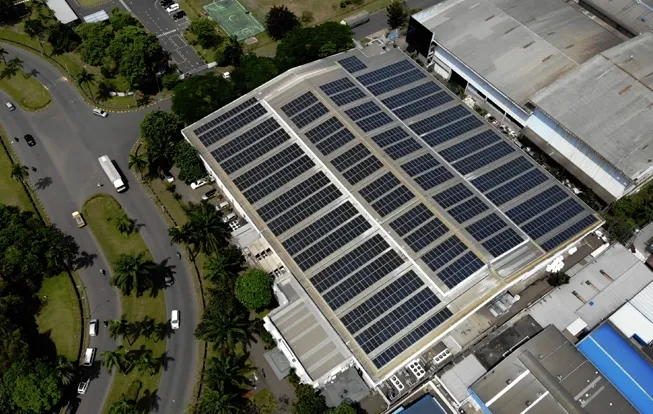
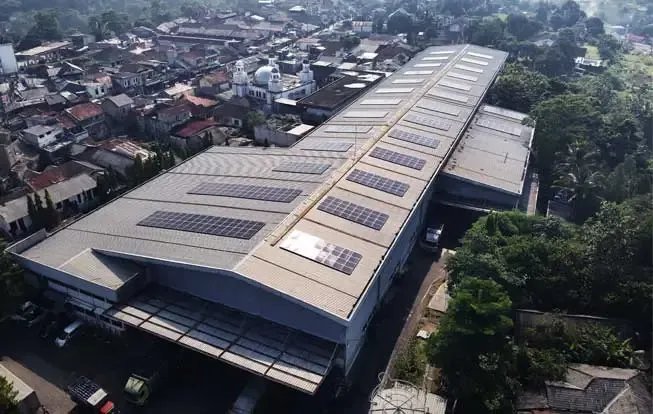
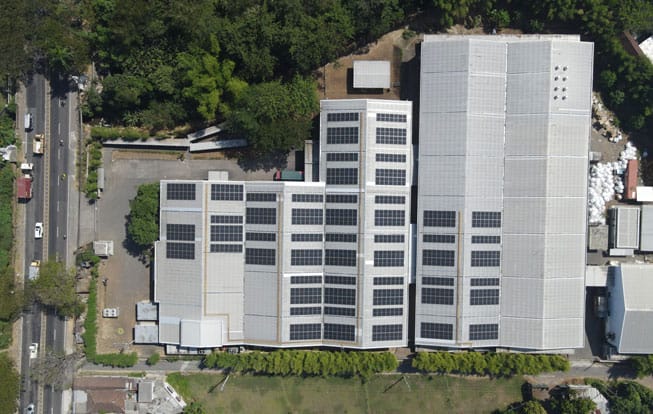
2.011.871 kWh/Year
Solar Panel Output
178.384.019 Ltr/ Year
Megaliters Water
Consumption
MAX 1 kWh/kg
Electricity
Consumption
Innovative Packaging Design
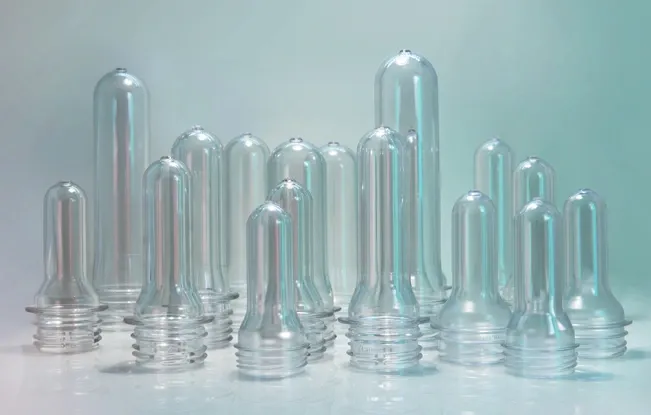
Light-weight, short-neck, yet durable solutions for minimal environmental
footprint.
Eco-Conscious Production
R-PET (Re-cycle Polyethylene Therepthalate) using 35% - 100% than virgin plastic resin.
EFFICIENCY & STABILITY PROCESS
Deactivate the Pre-Drying Material in Jug Making Process in Order to Reduce Electrical Cost
Propose to use PET and Recycled-PET Scraps in Preform Production Process
ELECTRICITY EFFICIENCY
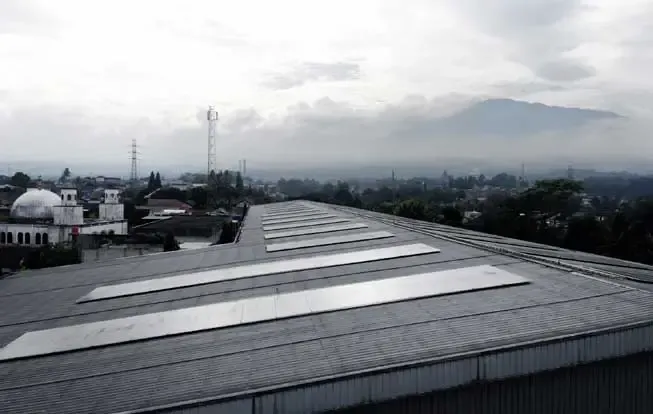
Installation of Solar Panels at Cikarang, Pandaan and Ciawi Factories
Using Utility Machines with Latest Technology
Renew Chillers & Cooling Towers
LABOR OPTIMIZATION
Develop multi-skill Employee by tasks rolling and competency upgrade
Develop OJT (On The Job Training Programme)
Develop MT (Management Trainee Programme)
BUSINESS CONTIGENCY PLAN
10 Plants (7 in West Java, 1 in West Sumatera, 1 in East Java, 1 in Bali) are available in order to move production to another plant in case there is an issue
Keep stock for critical machine parts
Build up stock to another packaging if there is an issue in existing packaging
WATER FOOTPRINT MANAGEMENT
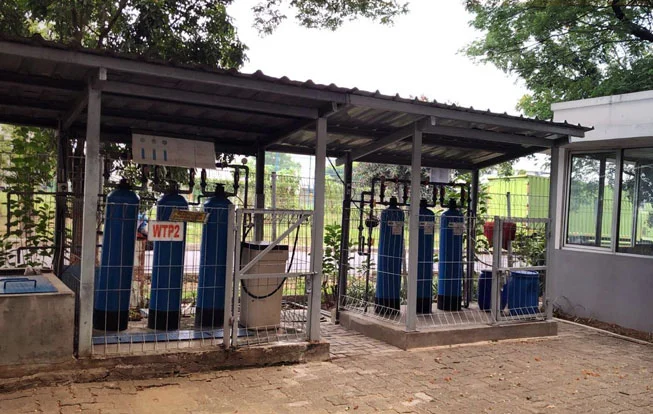
Utilizing water after the regeneration process at the Water Treatment by filtering and
circulate, on cooling & thermal utility process.
UI has appointed suppliers to process split into scrap. So there is no use of water for this process at UI again
UI Prefers the dry process rather than the wet process in process split into scrap so that it is expected to reduce water consumption